Art: Week 1
Ok, time to talk about art. Yay !
Firstly, let me introduce Barry:
Barry is the oil painting master. I could probably end the introduction there, but I’ll expand for the sake of bulking up the blog. Specialising in plein air painting, Barry is a professional artist who has studied and taught all over the world. He created an online art school where he’s condensed centuries of art theory and principles into courses for absolute beginners through to established artists. He’s now writing part 2 of his book about the neuroscience and psychology behind art, and continues to contribute regular articles to art publications globally. I should also mention that his paintings are absolutely stunning.
Here are some of my favourites:
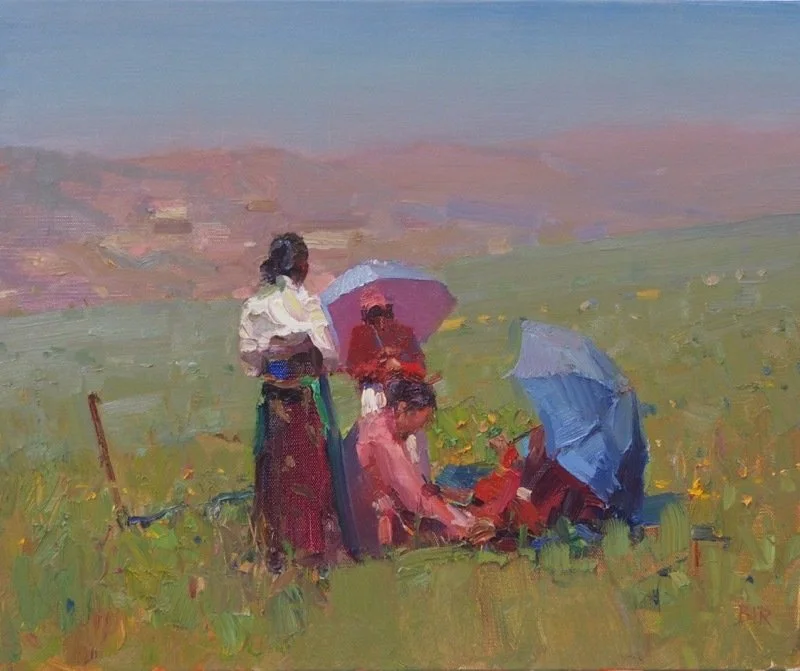
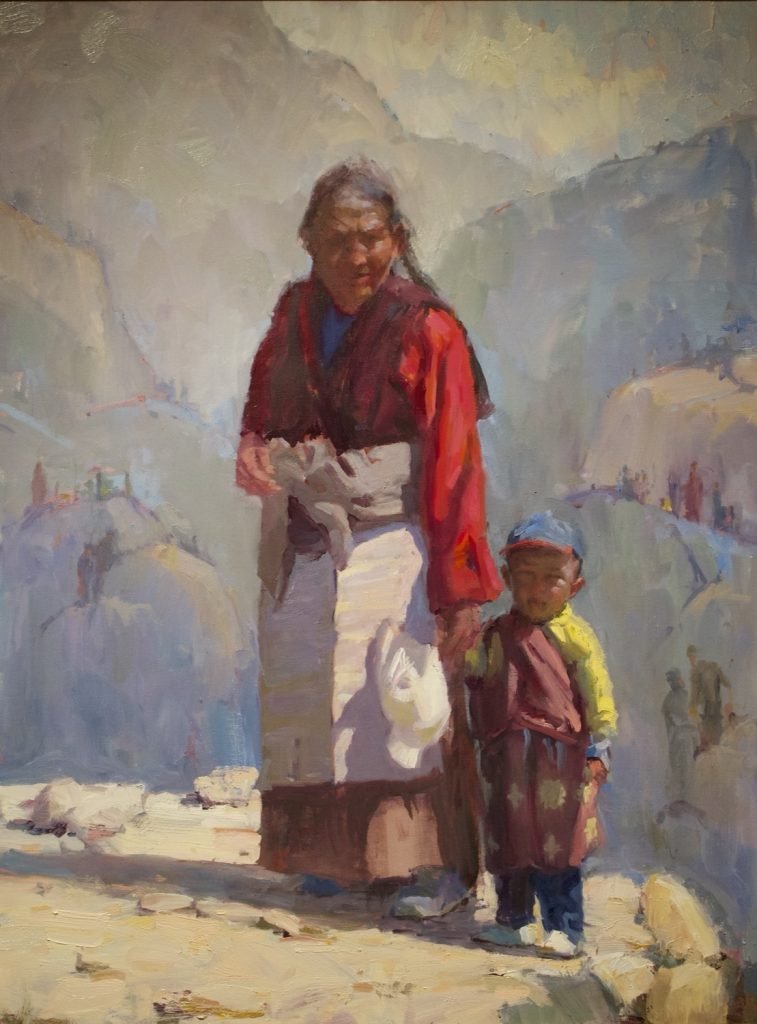
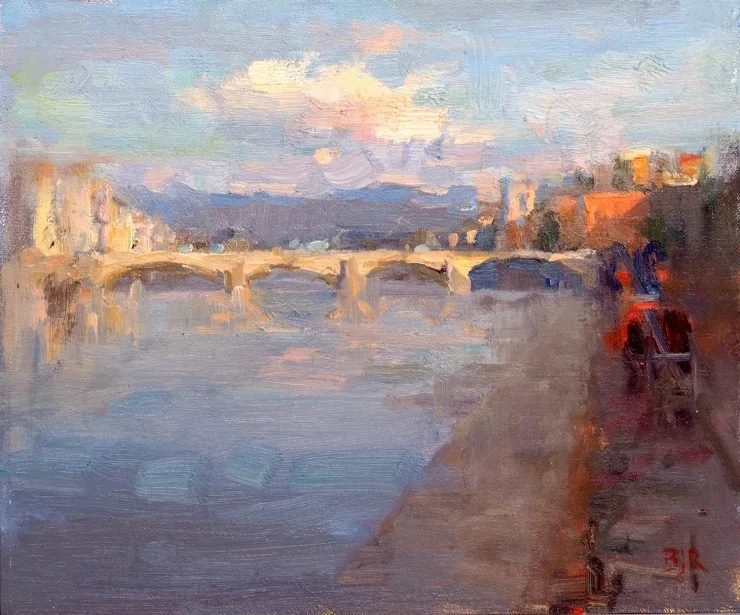
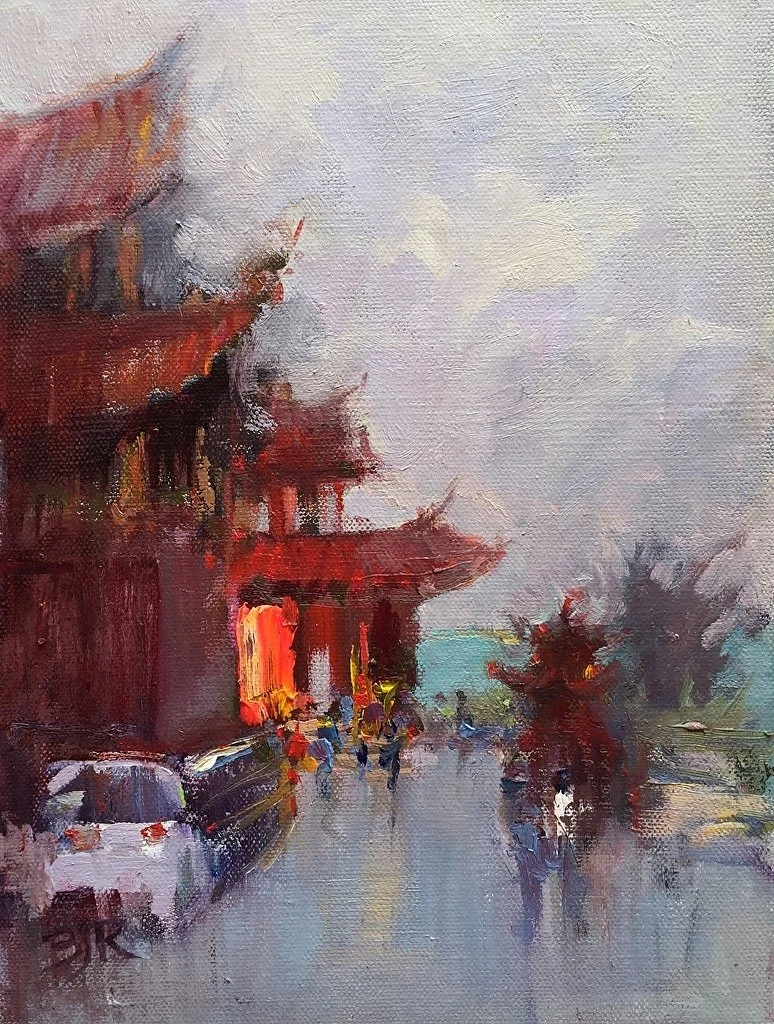
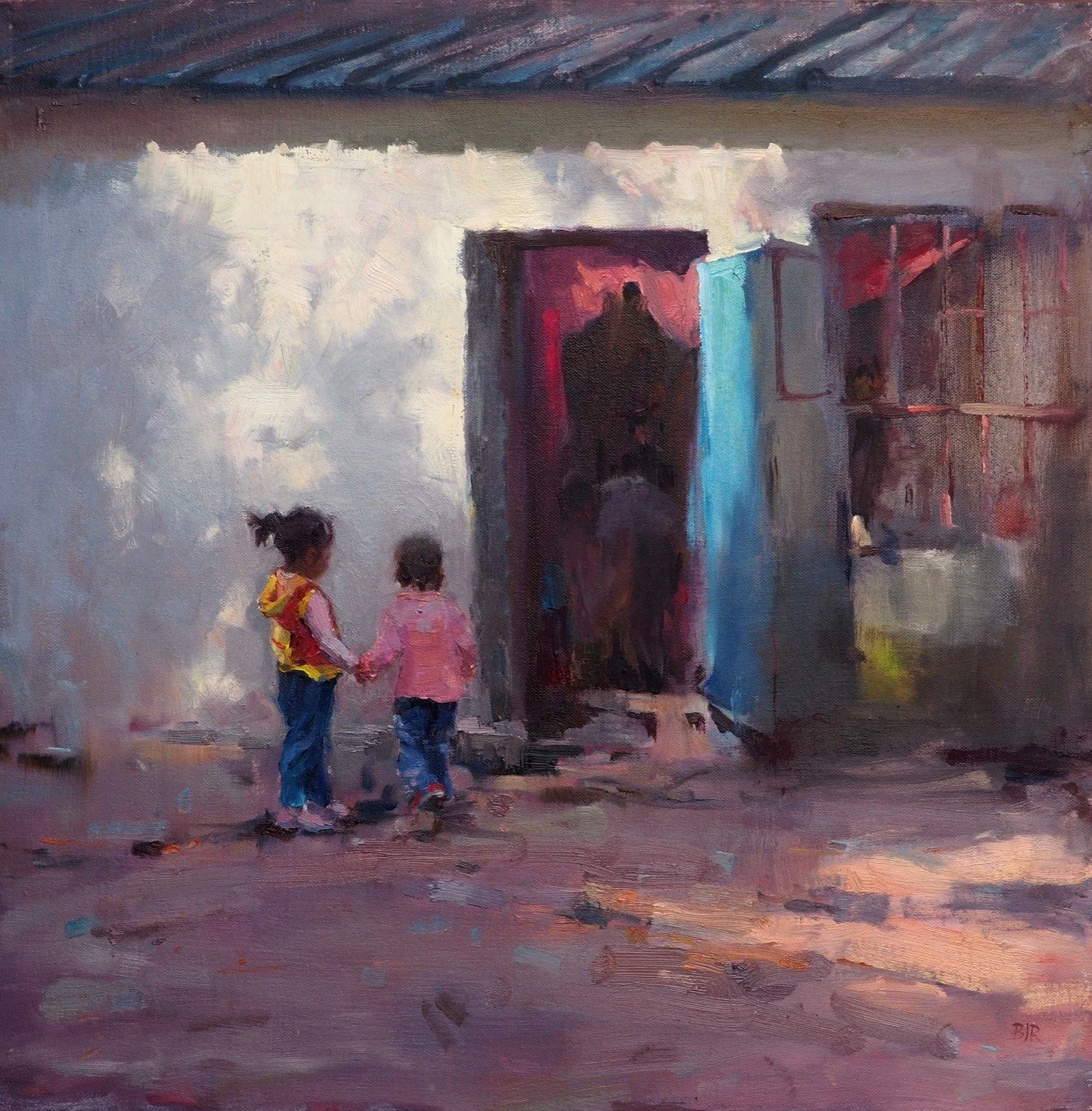
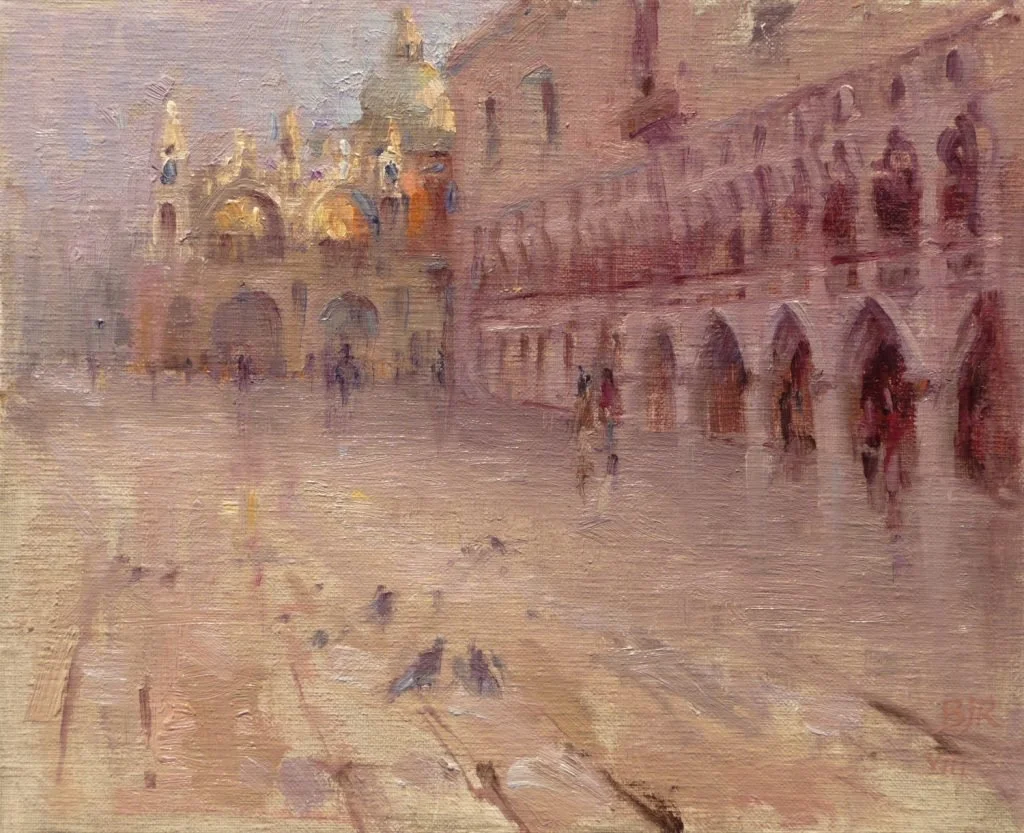
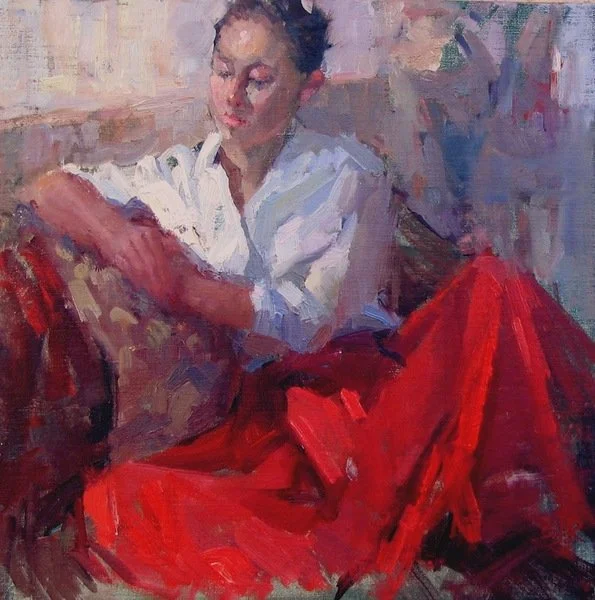
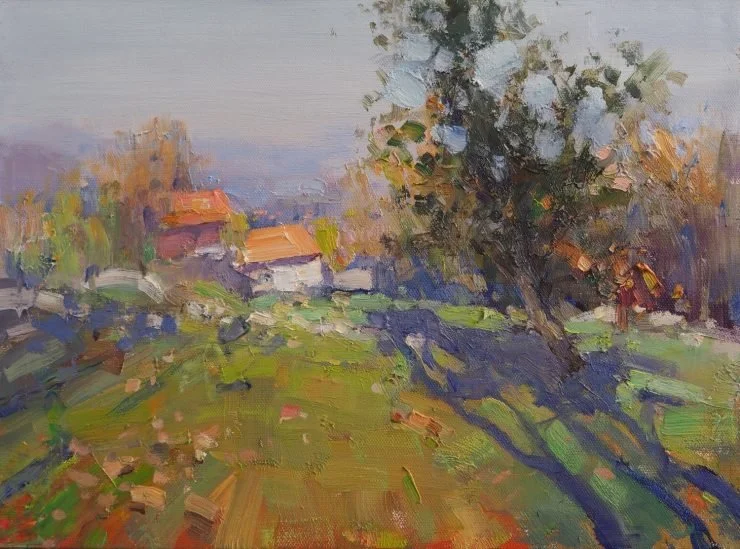
I met Barry 2 years ago when I came to his home in Tuscany to do a Workaway. We stayed in touch and I was very lucky to be invited back. Last time I stayed with him for a week, helping out around the house and garden in exchange for meals and accommodation. One afternoon he offered to give me a drawing lesson and without being too dramatic, it was kinda life-changing. It felt like Barry had unlocked a part of my brain that could now see shapes and angles in front of me and put them on paper - like speech-to-text but visuals to art?? I needed a lot of practice but still, I walked out of that lesson very inspired. From that point on I knew I needed to come back and learn everything he could possibly teach me about his process.
This time around I’m staying for 2 months. Each day I’ll be doing 4 hours of grounds-keeping and my free time will be spent learning about oil painting from the master himself. Barry is away until next week, so he’s given me the keys to his studio and a lesson plan to follow until he arrives.
Here’s what I’ve learned this week…
Day 1: Value Scales
Mixing colours is a science in itself and a lot to wrap one’s (my) head around. Colours as we know them are made up of 3 components: hue (red, green, blue etc.), saturation (intensity) and value (brightness), each of which are infinite spectrums. So, to mix a green that exactly matches the leaves on the tree that I see in front of me, it will save me a lot of time to understand the variables.
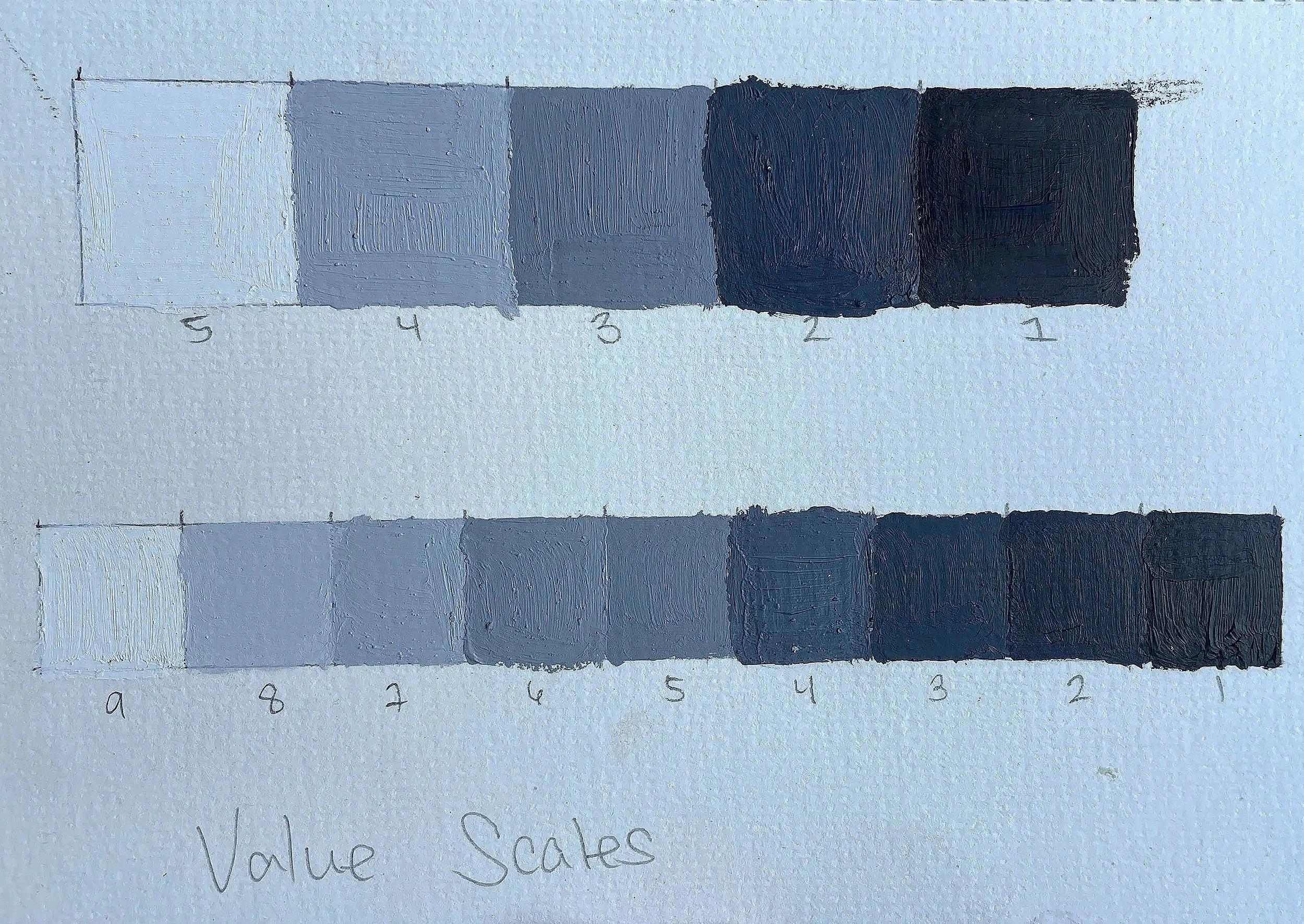
Value is the simplest but most important of the three, so that’s where I started.
Here I practiced mixing white and black to make scales of increasing values.
Day 2: Notan Structures
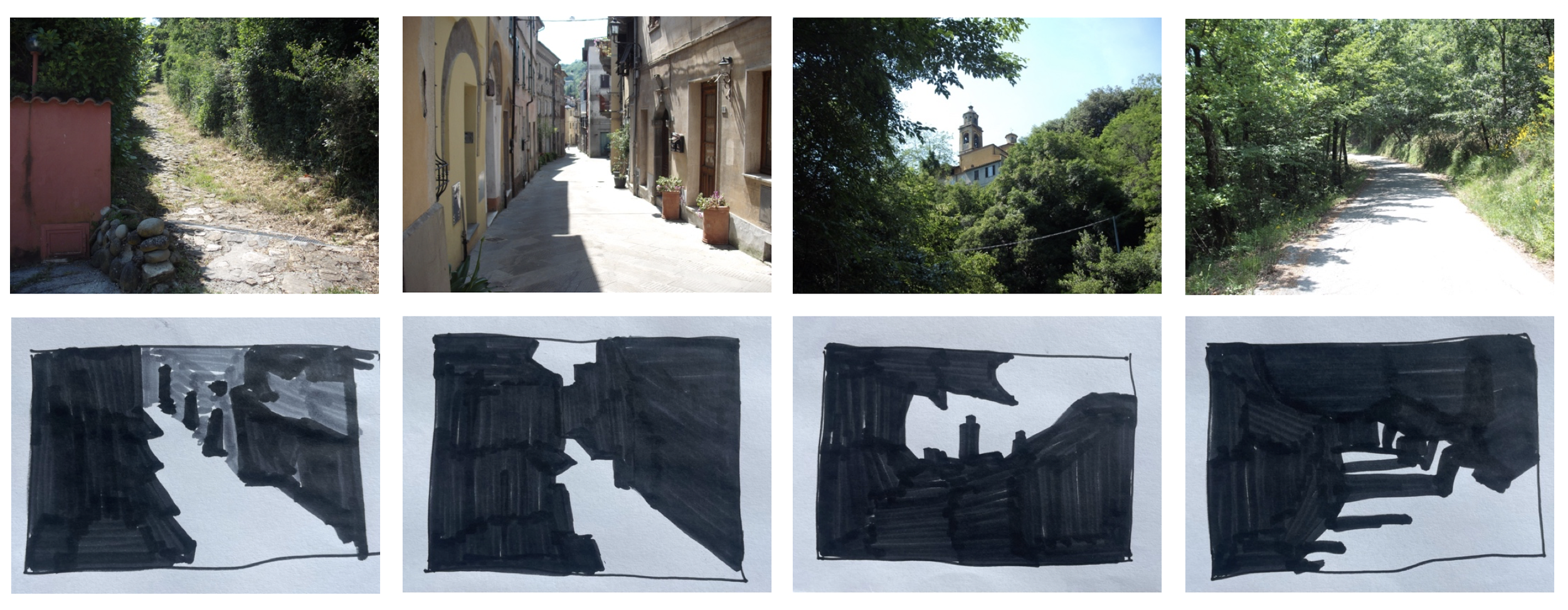
Notan in Japanese means light-dark harmony. When planning a painting, it’s helpful to do a quick sketch in black and white to check if you like the composition.
I used photos I took around Licciana to practice :))
Day 3: Colour Maps
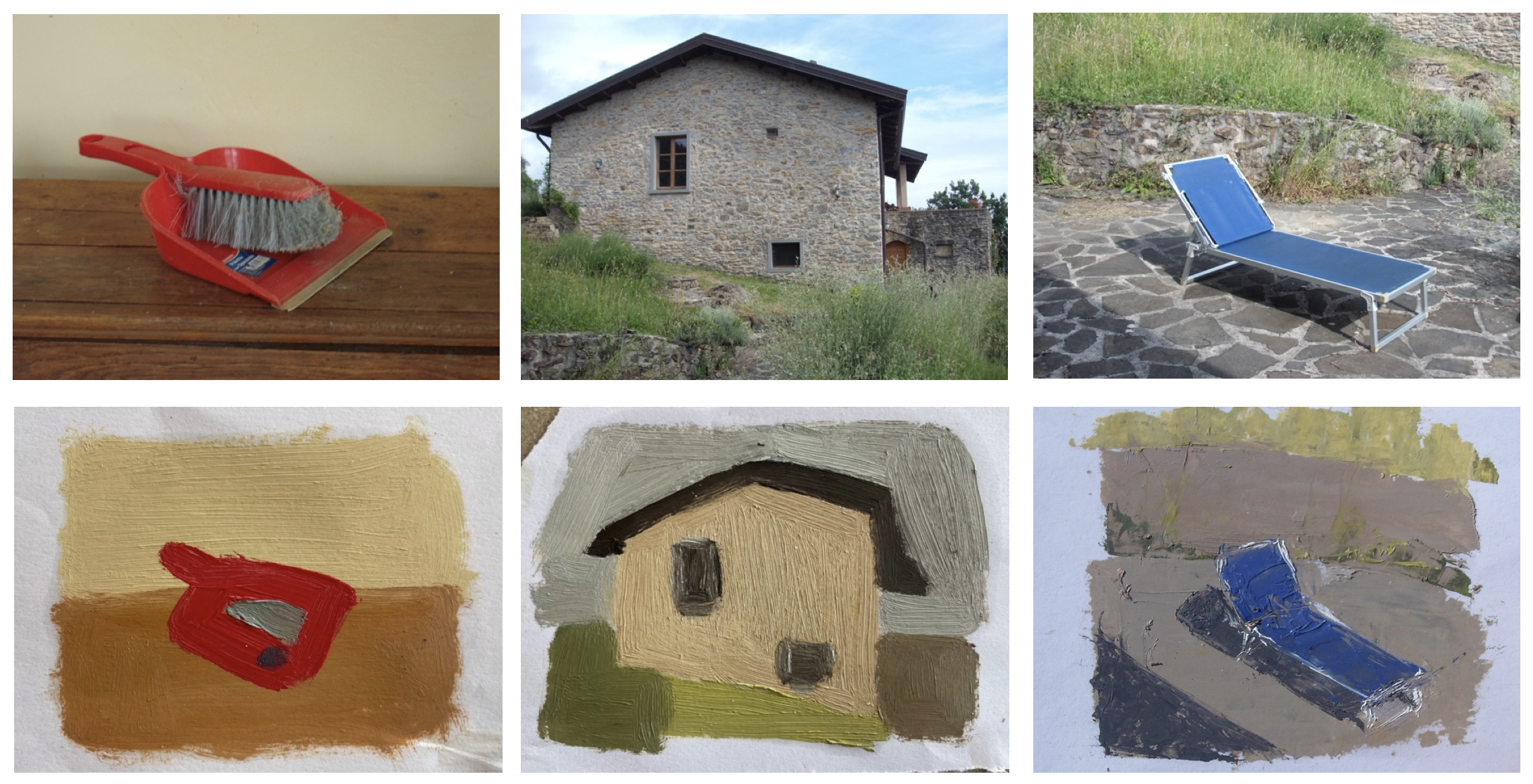
Before committing to putting paint on canvas, swatching the colours on a spare bit of paper is a good way to check if the colours are mixed accurately and are working well together. For example:
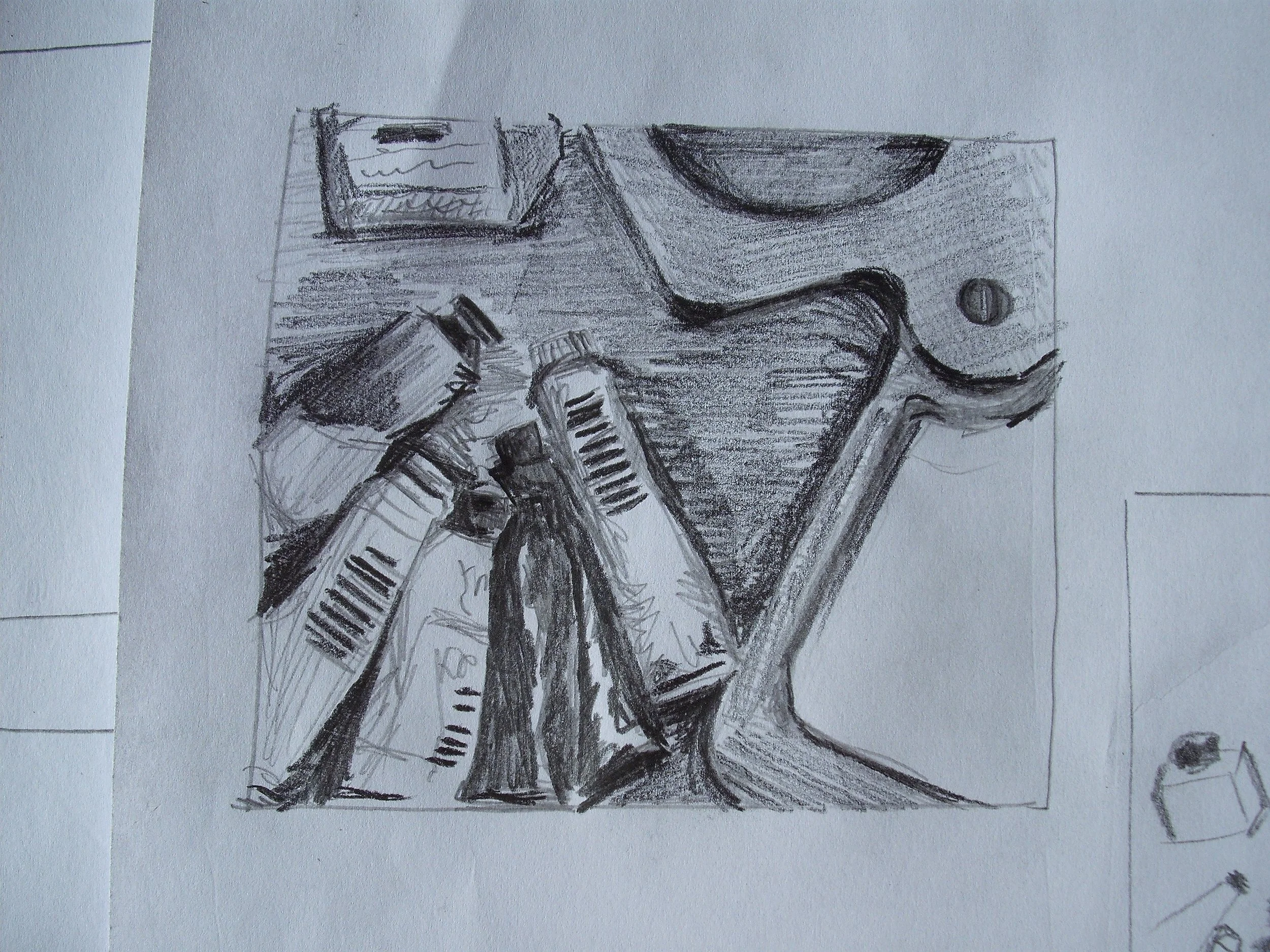
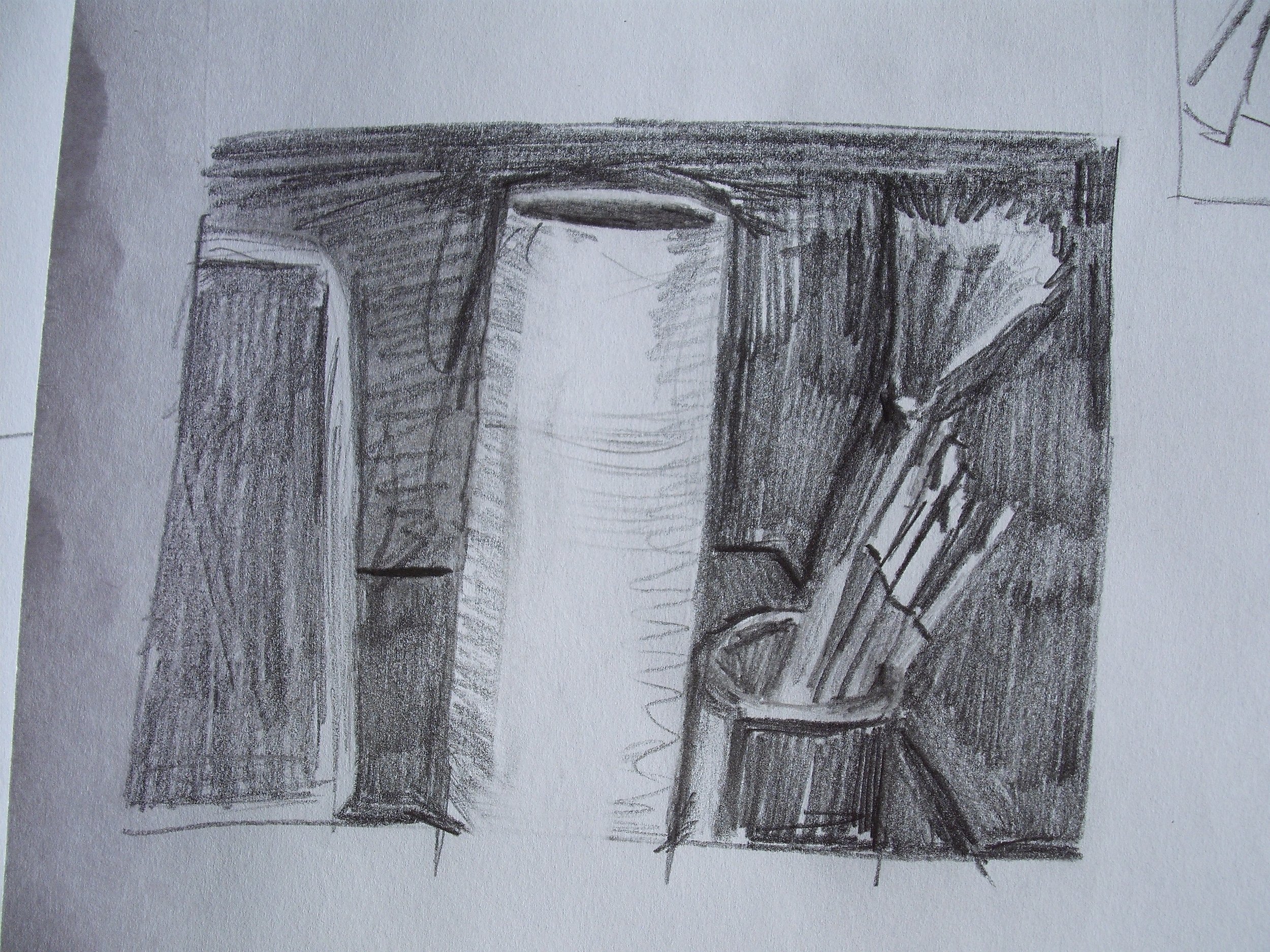
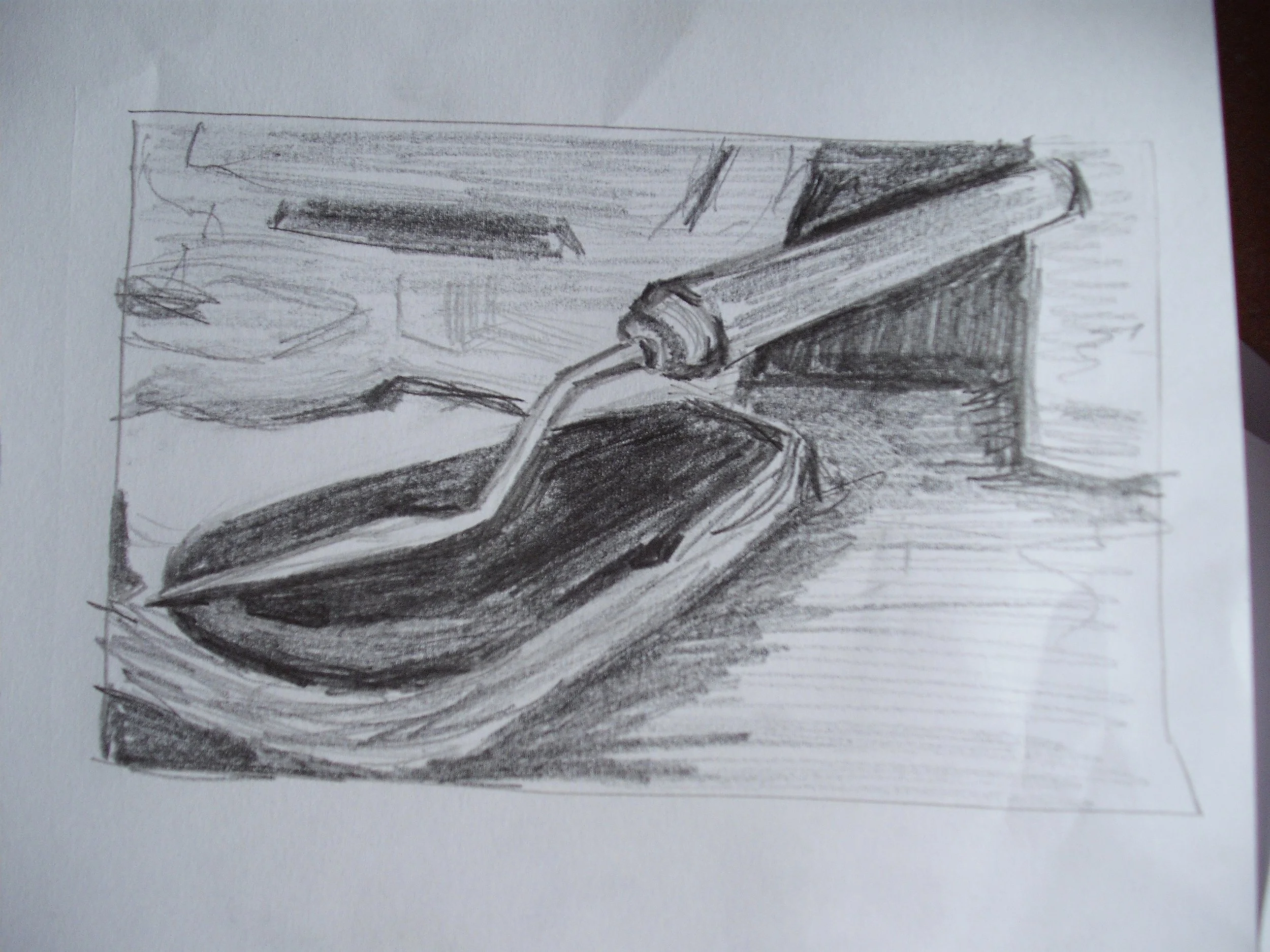
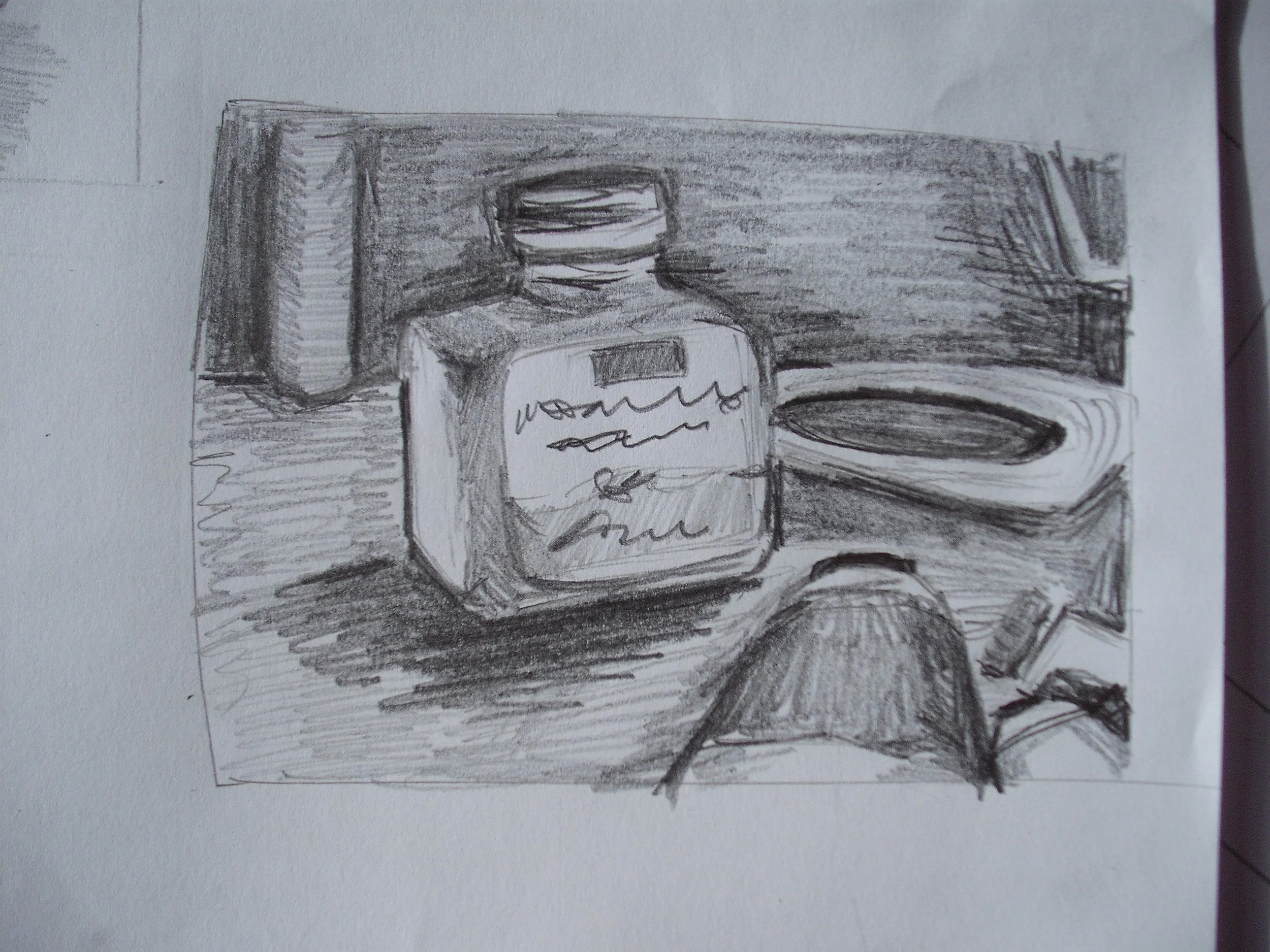
Day 4: Cropping
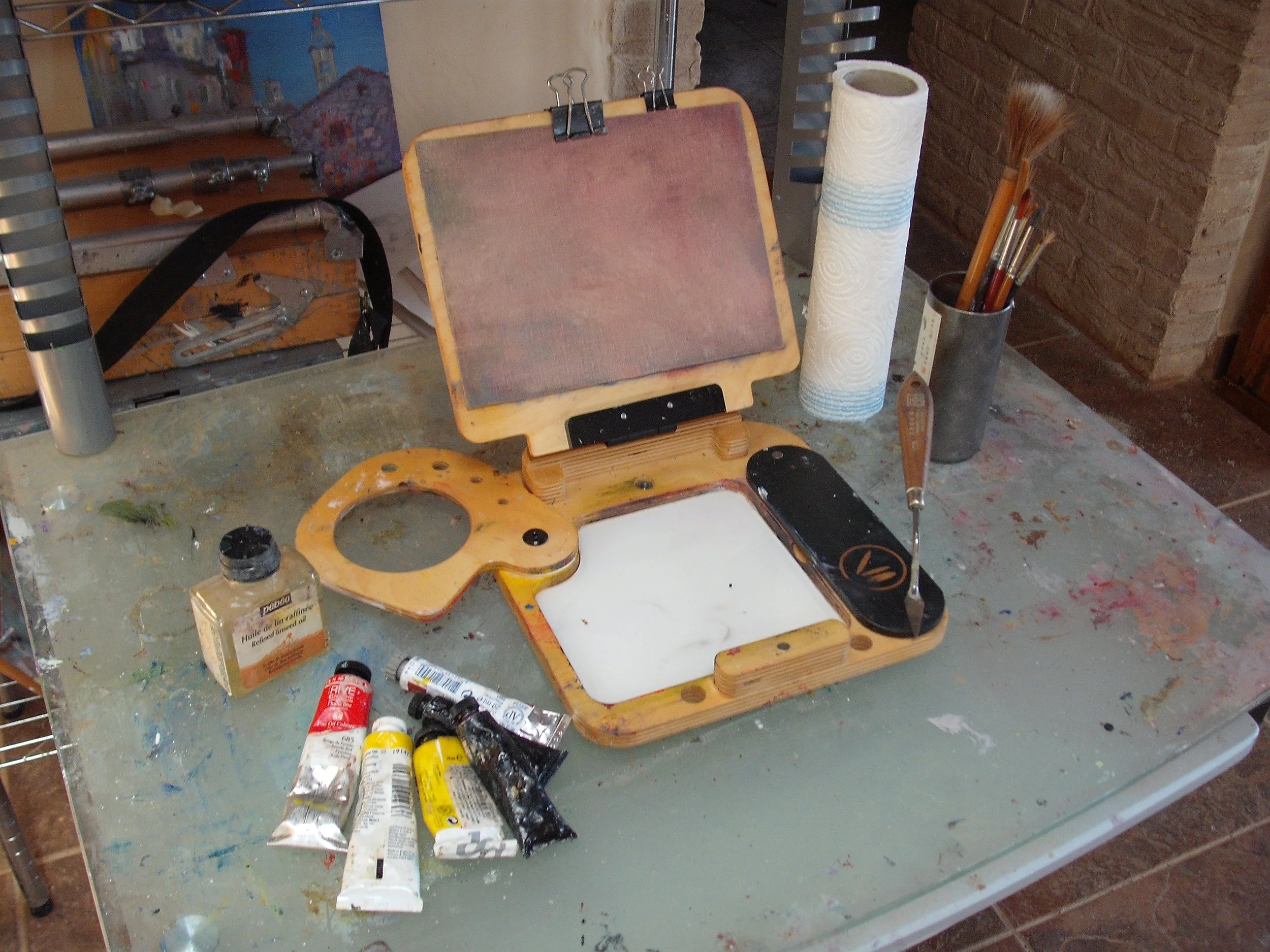
This exercise was to test zooming-in and moving around a subject to find the best angle. Which is your favourite? Comment down below.
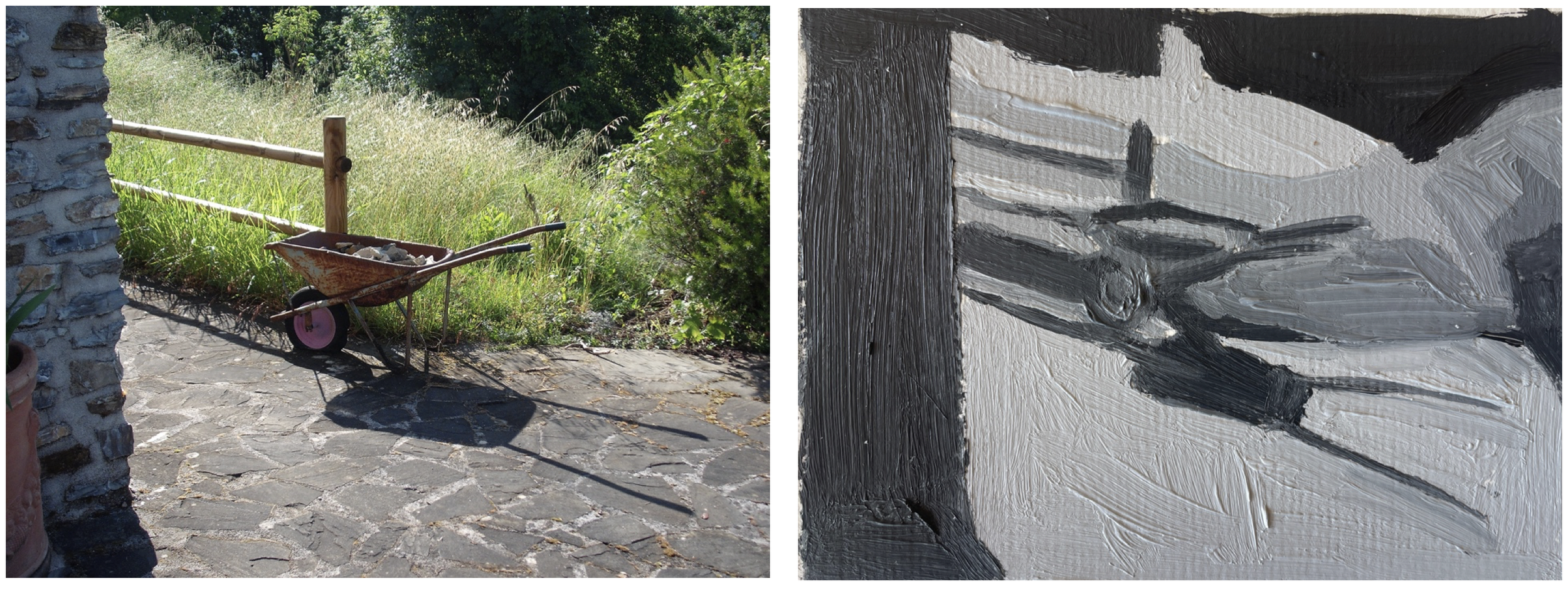
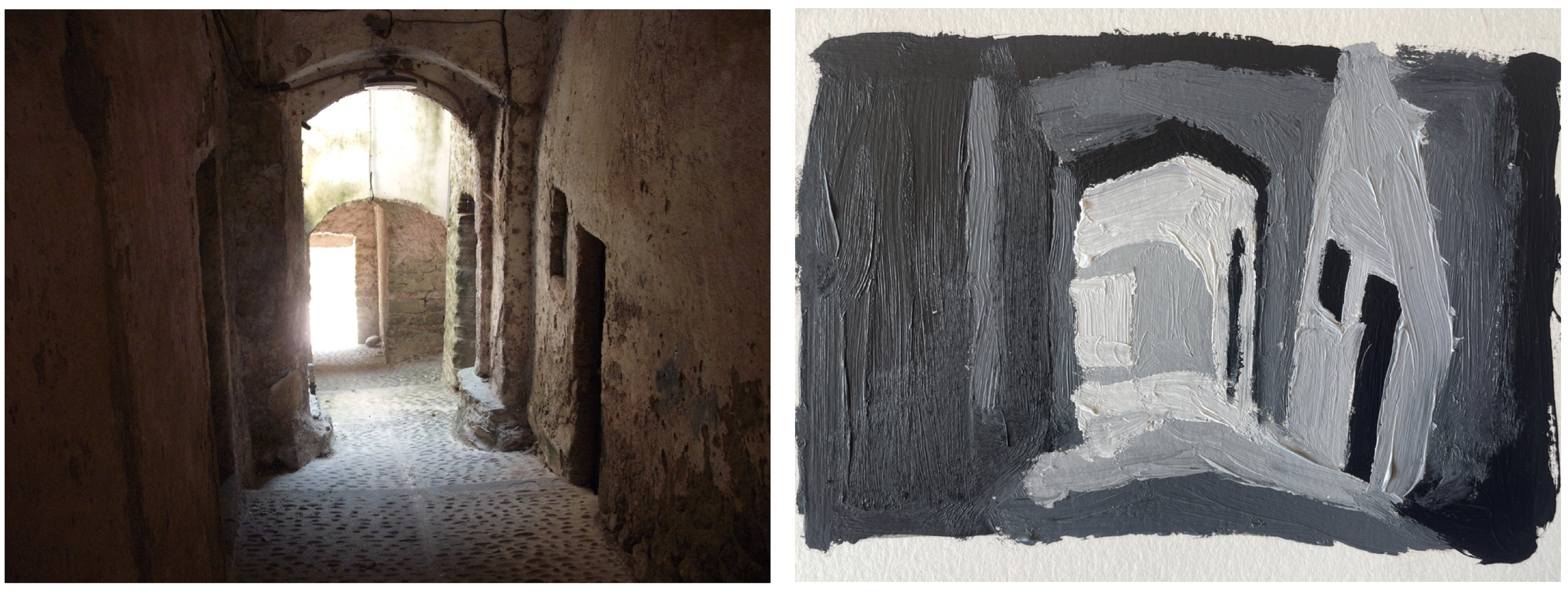
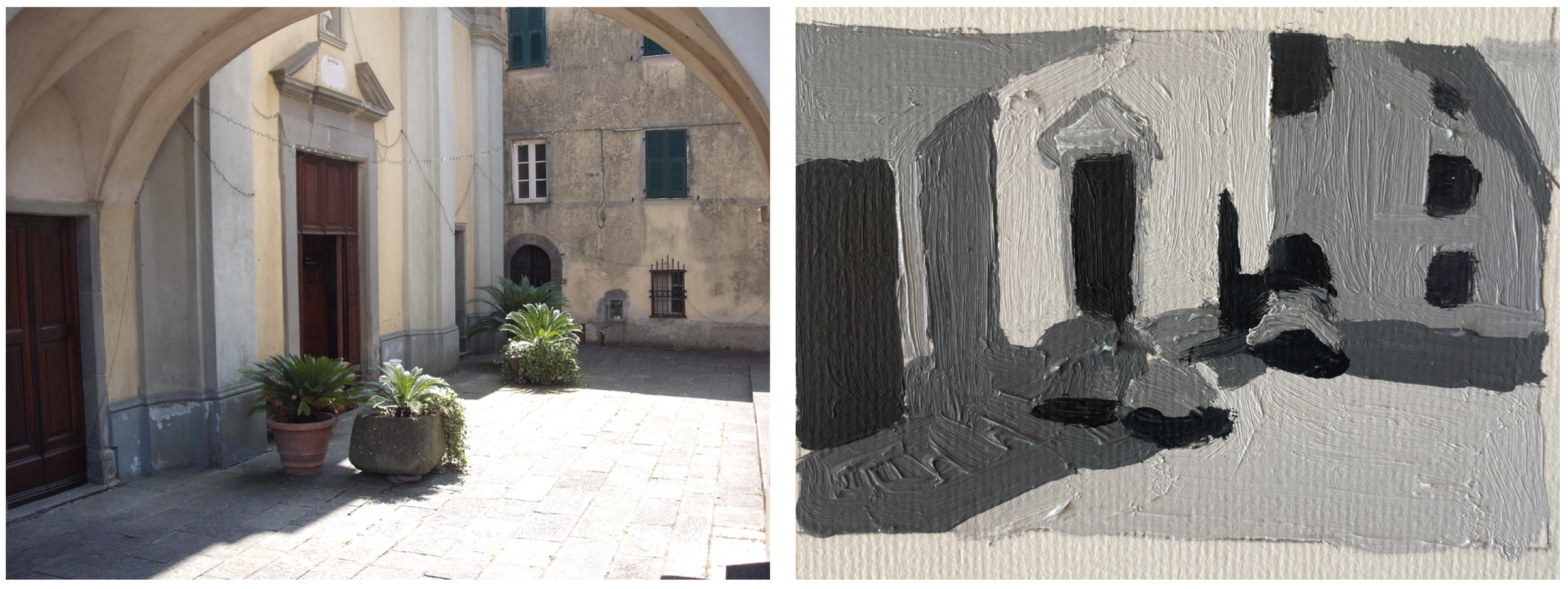
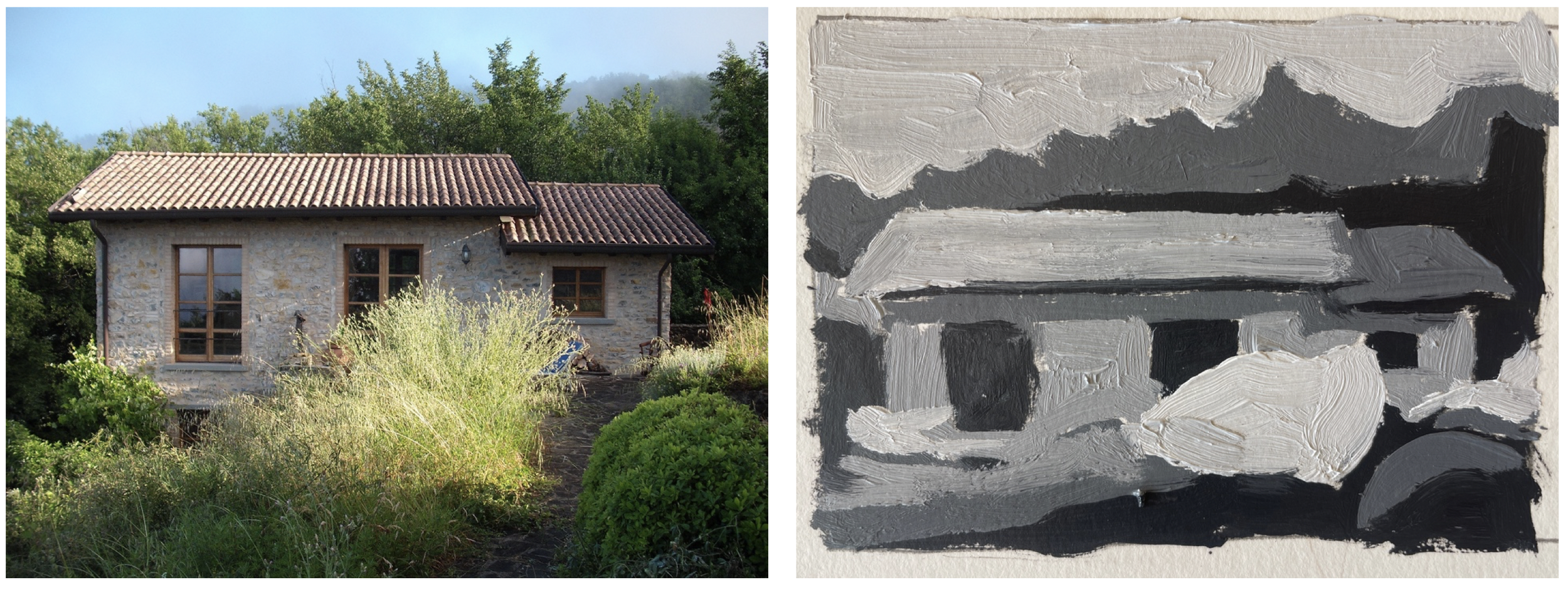
Day 5: 4-value studies
To practice what I learned in days 1-3, I painted each of these scenes using 4 shades:
That’s all for now.
If you couldn’t tell from my blabbing, I’m having a blast.
Thanks for reading :)
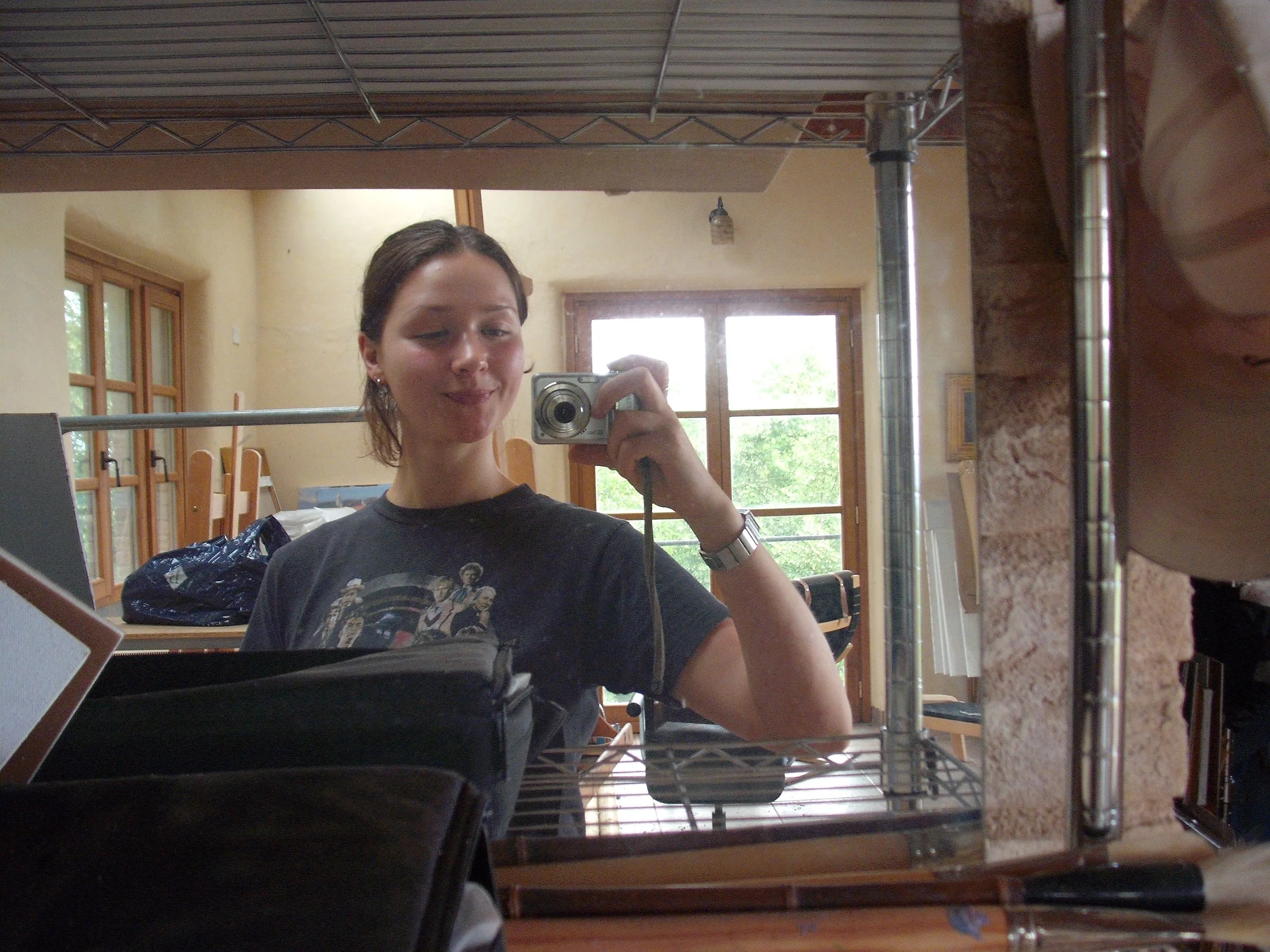
Zoe xx
